
Just waiting on a few more seeds to arrive then I can be planting the permanent flower garden. I need to pick up more soil at Home Depot because apparently I can never have enough soil.
summoning the wild things to my suburban backyard
Just waiting on a few more seeds to arrive then I can be planting the permanent flower garden. I need to pick up more soil at Home Depot because apparently I can never have enough soil.
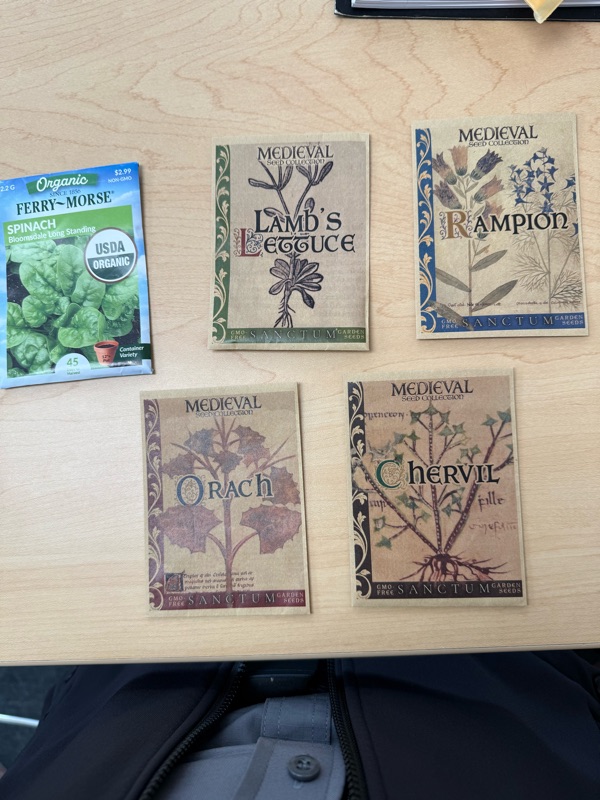
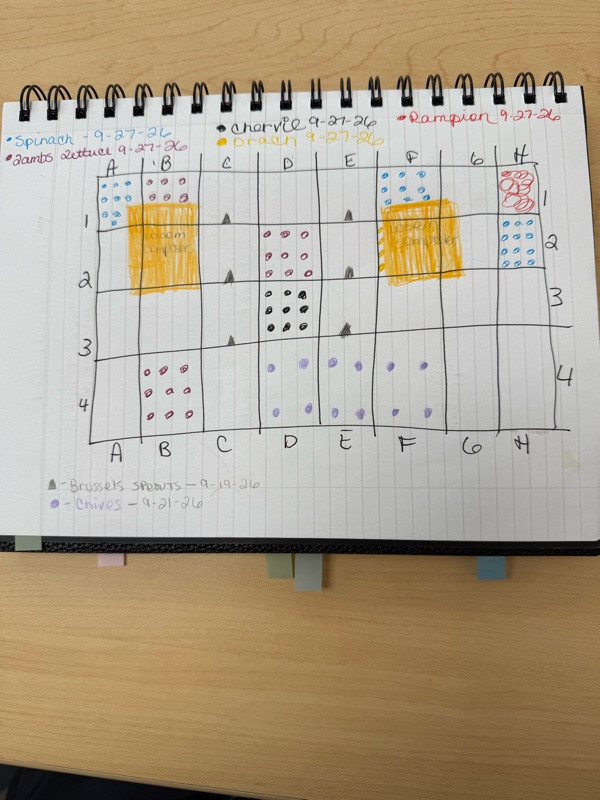
Got the main garden bed planted today after we got back from kayaking. It’s really hard to reach the back of the bed, but I managed! The rampion seeds were unbelievably tiny, I don’t think I’ve ever seen seeds that small. They’re smaller than a grain of sand.
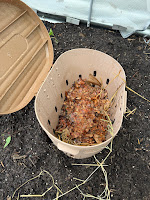
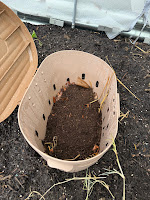
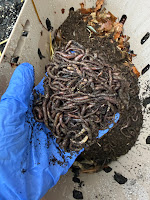
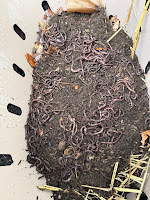
I also noticed that the worms have spread everywhere throughout the garden bed. Every time I dig into the soil and pick up a handful, there are worms in it. It’s amazing! I hope that means they’re happy and settling in well. I put half a tomato in each composter so they’d have something to eat.
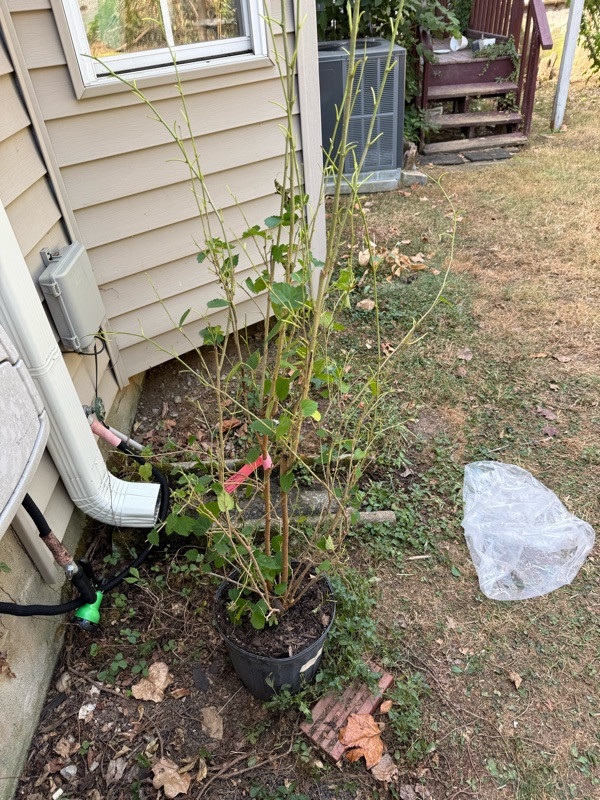
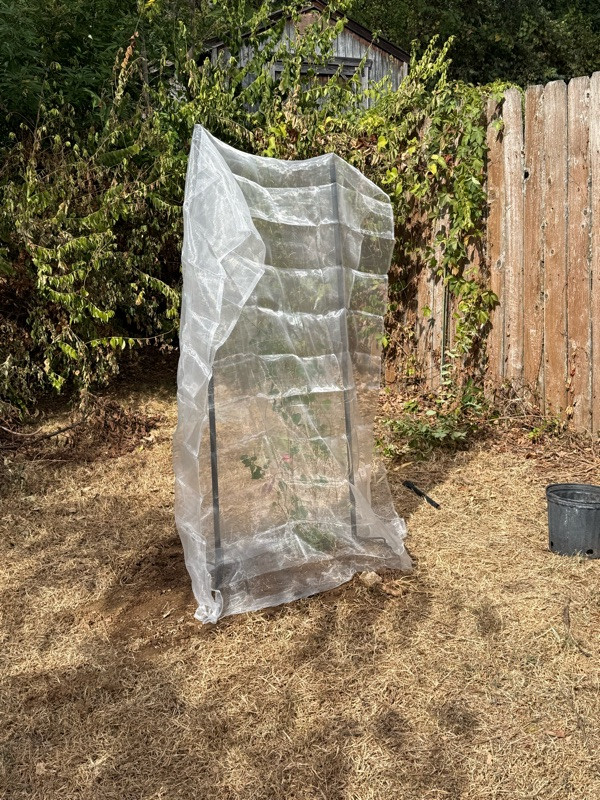
He ate most of the leaves off the mulberry tree. I planted it and put netting over it, I have fencing arriving soon.
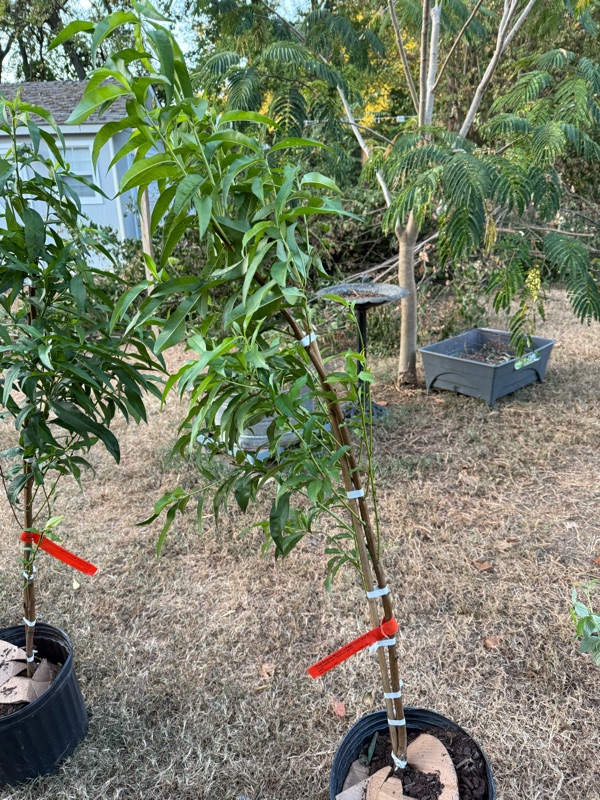
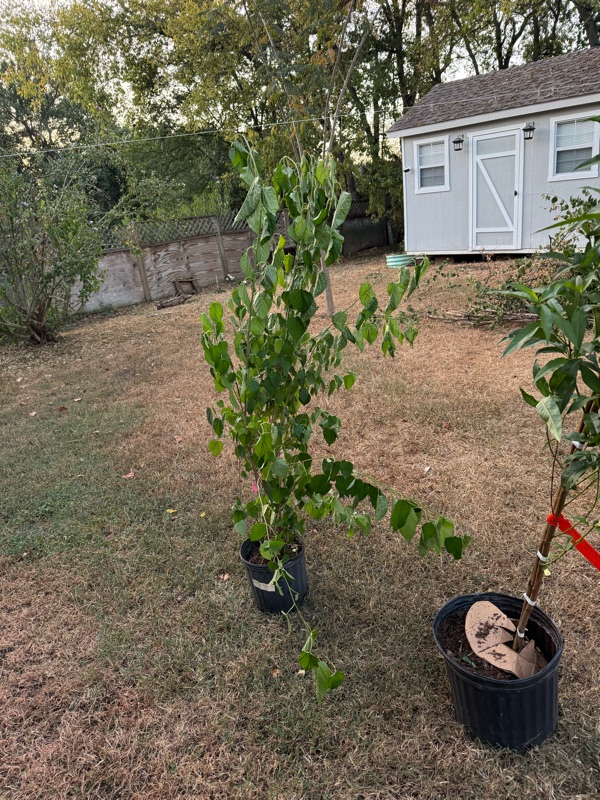
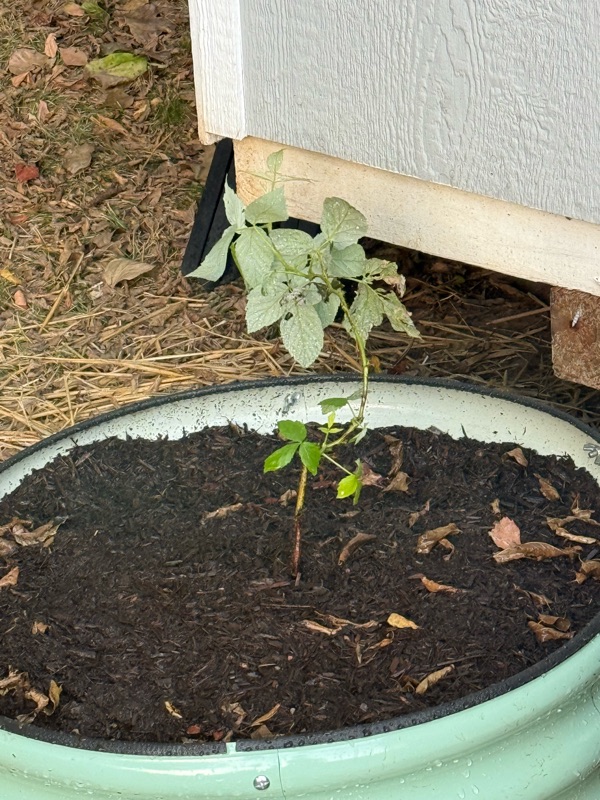
Both peach trees, the Mulberry, bush, and the raspberry bush arrived today. They all look fantastic. I still have two fig trees that need to arrive. And then I need to figure out where everybody is going to live.
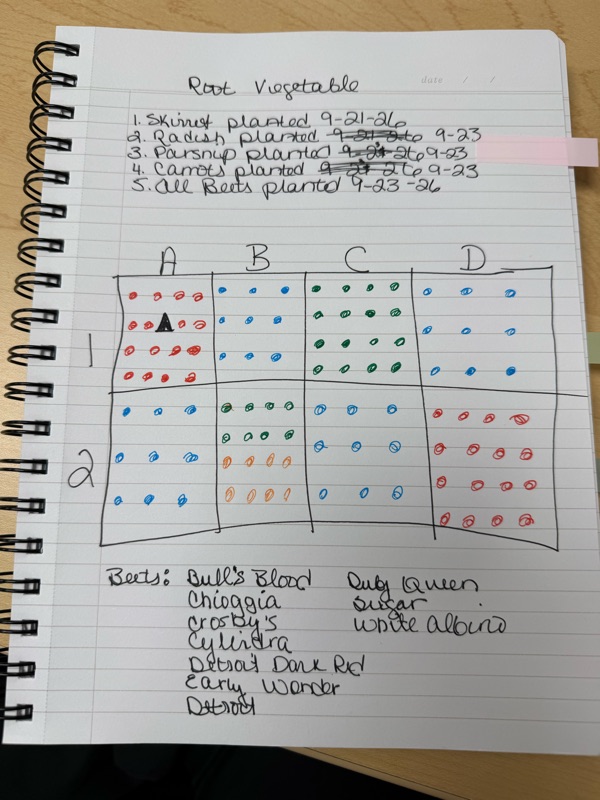
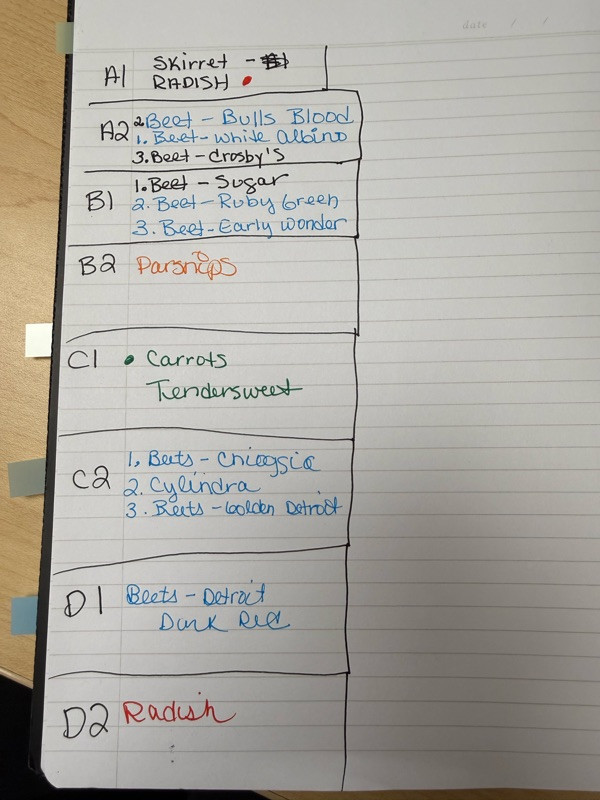
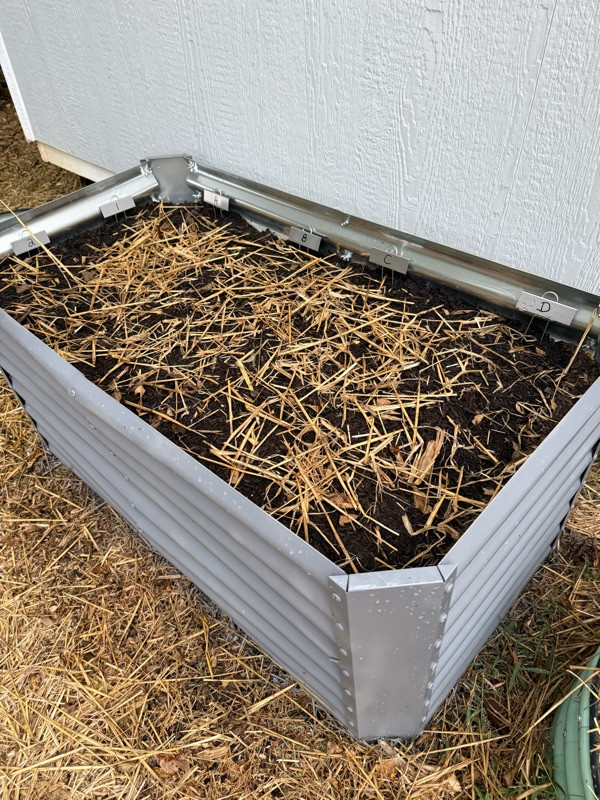
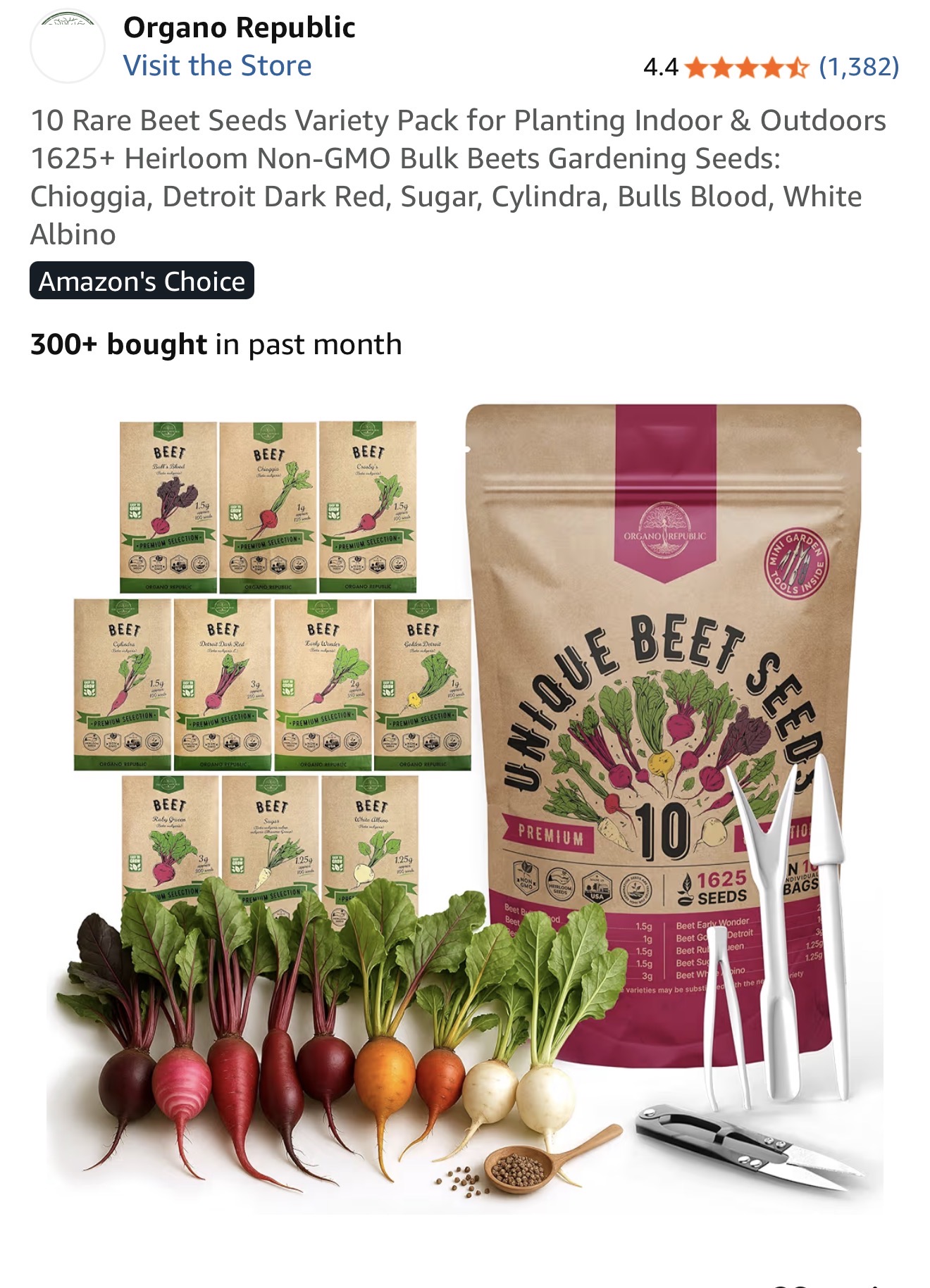
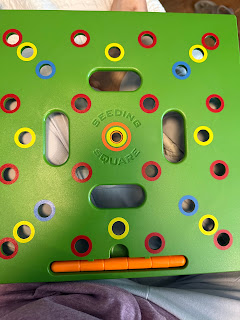
Apparently eyeballing where seeds should go is no longer good enough for me.
I bought a Seeding Square.
It’s basically a square-foot gardening template with color-coded holes that tells me exactly where to plant seeds depending on how much spacing each plant needs. You lay it on top of the soil, poke the little dibber through the correct holes, and drop your seeds in.
Do I technically need this? Probably not.
Do I absolutely love the idea of perfectly spaced little rows of carrots, radishes, beets and everything else? Yes.
I’m planning to use square-foot-style planting in the raised beds so I can fit quite a bit into a relatively small space without just scattering seeds everywhere and hoping I remember what I did later. This should also make it much easier to document exactly what I planted and where—which is becoming increasingly important as the number of seeds in my house continue to multiply.
It came with the planting guide showing which color to use for different spacing. So instead of standing over the bed wondering, Was this supposed to be three inches apart? Four? Six?, I can just use the appropriate colored holes and be done with it.
This garden started because I wanted some greens.
I now own specialized equipment for making geometrically precise holes in dirt.
Seems reasonable.

The worm composters arrived today!
I went with two Vego in-bed worm composters, and my first impression was that these things are MUCH more substantial than I expected. They are heavy, solid, and very well made. Vego isn’t exactly inexpensive, but so far I have been really impressed with the quality of everything I’ve gotten from them.
Naturally, before they could go anywhere near the garden, they had to be unpacked and laid across my bed for inspection by Beebs (the cat) and photographs.
You’re welcome.
These will eventually be installed directly into the 8×4 greens bed. The idea is that kitchen scraps and other compostable material go into the towers, the worms do their thing, and then travel through the openings into the surrounding soil, carrying nutrients with them. I’m new to all this, including worm composting.
The actual worms are on their way: red composting worms and European nightcrawlers. Once the towers are installed, I’ll build up their bedding and get everything ready for the new residents. I bought the worms from Uncle Jim’s Worms.
The Unruly Garden began in September 2026 for a fairly practical reason: I wanted to grow my own greens.
After seeing recalls involving fresh produce and reports of parasite contamination in greens, I decided I’d rather grow some of my own food, especially leafy greens that I could keep producing through the fall and winter.
It sounded simple enough.
I started with a 8×4 raised bed beside the shed.
That required cardboard, sticks and woody material, old grass and compost, straw, soil, manure, and repeated trips for more dirt. Somewhere along the way, ChatGPT and I stopped referring to these as “layers” and started discussing the stratigraphy of the garden bed, as though future archaeologists would someday excavate it.
Then one garden bed became another garden bed, this time for root vegetables. That bed is 4×3 and on the other side of the shed.
And then I started thinking about vegetables people used to grow, the old varieties and forgotten food plants that largely disappeared from modern gardens. Suddenly I was ordering skirret, scorzonera, rampion, Good King Henry, sea kale, salsify, corn salad, miner’s lettuce and other plants that sound more appropriate to a medieval monastery garden than a suburban backyard in Tennessee.
So the project evolved again.
What began as “I think I’ll grow my own winter greens” somehow became an experiment in growing food from the past, improving the soil, composting directly in the beds, planting fruit and berries, making room for wildlife, and seeing just how much food and life I can coax out of my little piece of ground.
This blog is mostly here so I can keep track of it all: what I planted, where I planted it, when I planted it, where the seeds and plants came from, what worked, what spectacularly failed, and all the creatures that decided to move in along the way.
Because apparently I have a medieval garden now.
That escalated quickly.
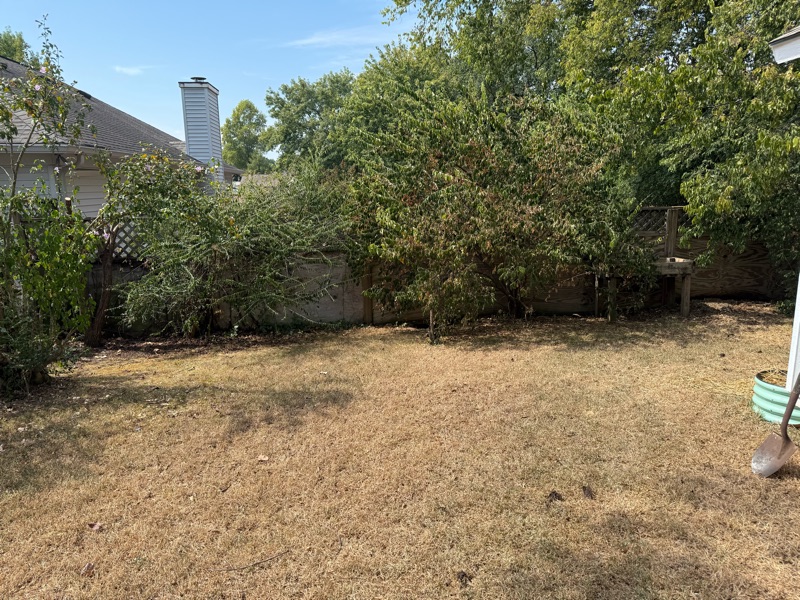
Today was less about planting things and more about removing things that had absolutely no invitation to be here in the first place.
Along the fence line, I have a collection of volunteer bushes, vines, little trees, and assorted greenery that has basically been allowed to do whatever it wanted for years. Most of it doesn’t flower, doesn’t produce anything useful, and has gradually taken over a surprising amount of space.
Now I need that space.
I have fruit trees coming, including two columnar peach trees, two fig trees, and I also have a dwarf everbearing mulberry that needs a permanent home. Once I started looking at the fence line as potential growing space instead of just that mess back there, I realized there is actually quite a bit of usable room.
So out came the cutting tools.
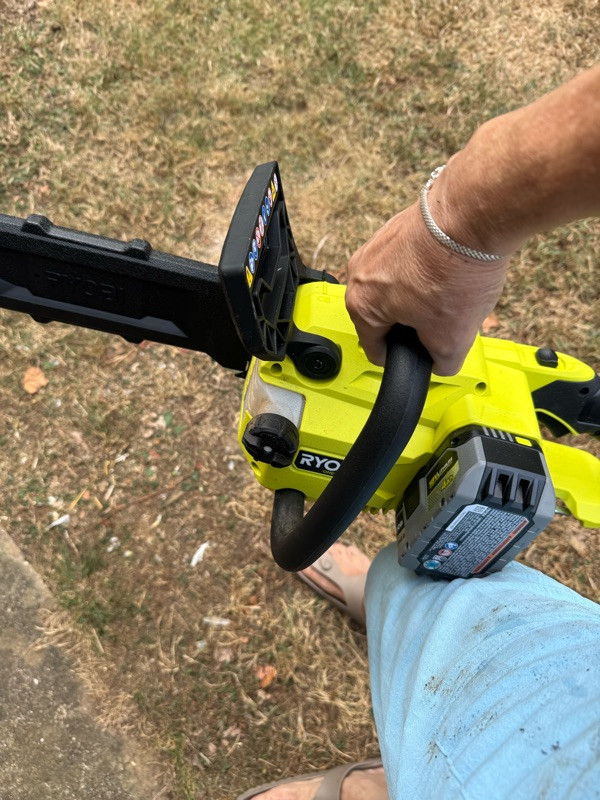
I’m clearing the volunteers, opening up the area to more sunlight, and figuring out exactly how much space I have for the fruit trees. I’m not clearing everything—I still want the back of the yard to stay somewhat wild for the birds, frogs, turtles and everything else that uses it—but plants that aren’t doing much for me or the wildlife can make way for things that will.
There is also another benefit.
Clearing along this particular fence should make my neighbor happy because she apparently has strong feelings about leaves, vegetation, and the general concept of nature occurring near her property.
Unfortunately, it means I can see more of her ass-ugly fence.
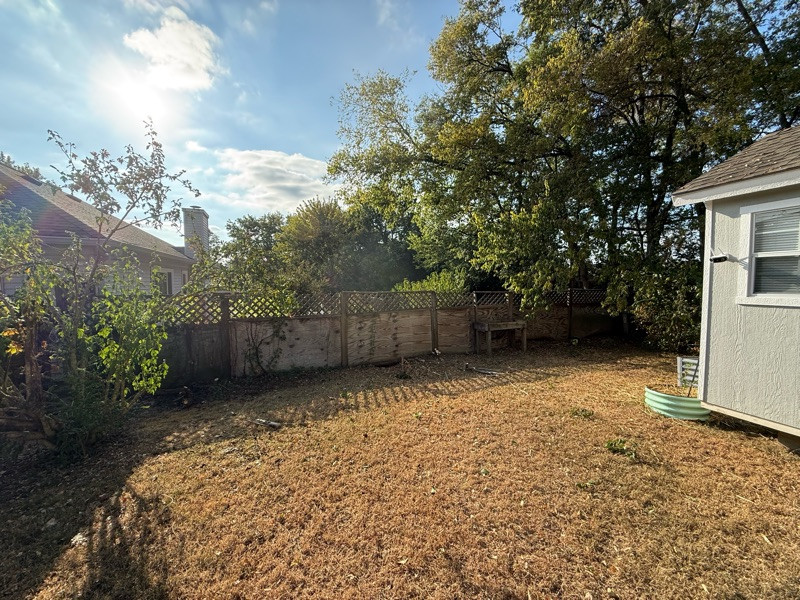
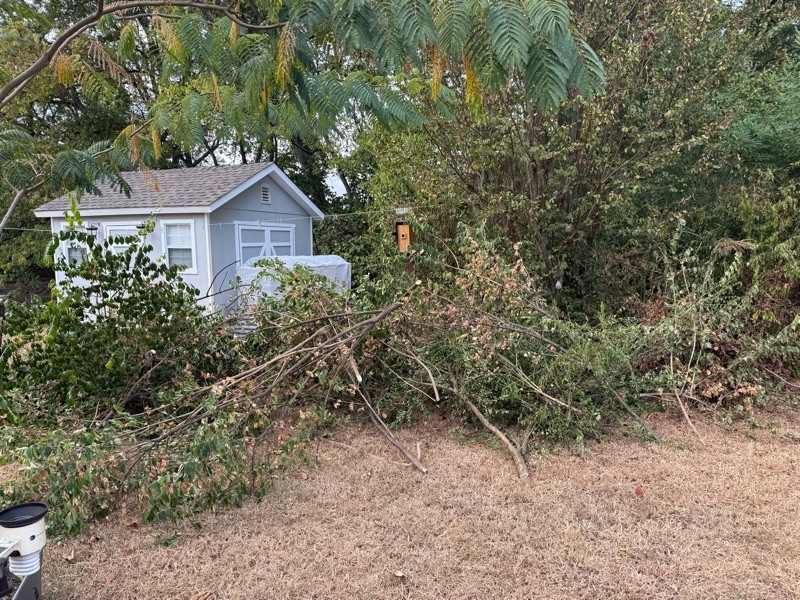
There are sacrifices in gardening.
Eventually, though, there should be fruit trees and other plantings along here, so perhaps I’ll get my greenery back—only this time it will be greenery I actually chose.